If you’ve ever stood in the grocery store feeling guilty because your child only wants mac and cheese, chicken nuggets, or fries, I understand. My daughter is autistic, and finding foods she’ll actually eat has been one of our biggest challenges. Over the years, I’ve learned that I don’t have to choose between a stressful mealtime and perfect nutrition. Instead, I look for cleaner versions of the foods she already loves. This isn’t about perfection. It’s about making small changes that feel realistic for your family. Every child is different, and these are simply the products that have worked well for us.
What I Look For When Shopping
- Short ingredient lists whenever possible
- No artificial colors and flavors
- Ingredients I recognize
- Organic options when they fit our budget
- Foods my daughter will actually eat
Mac & Cheese
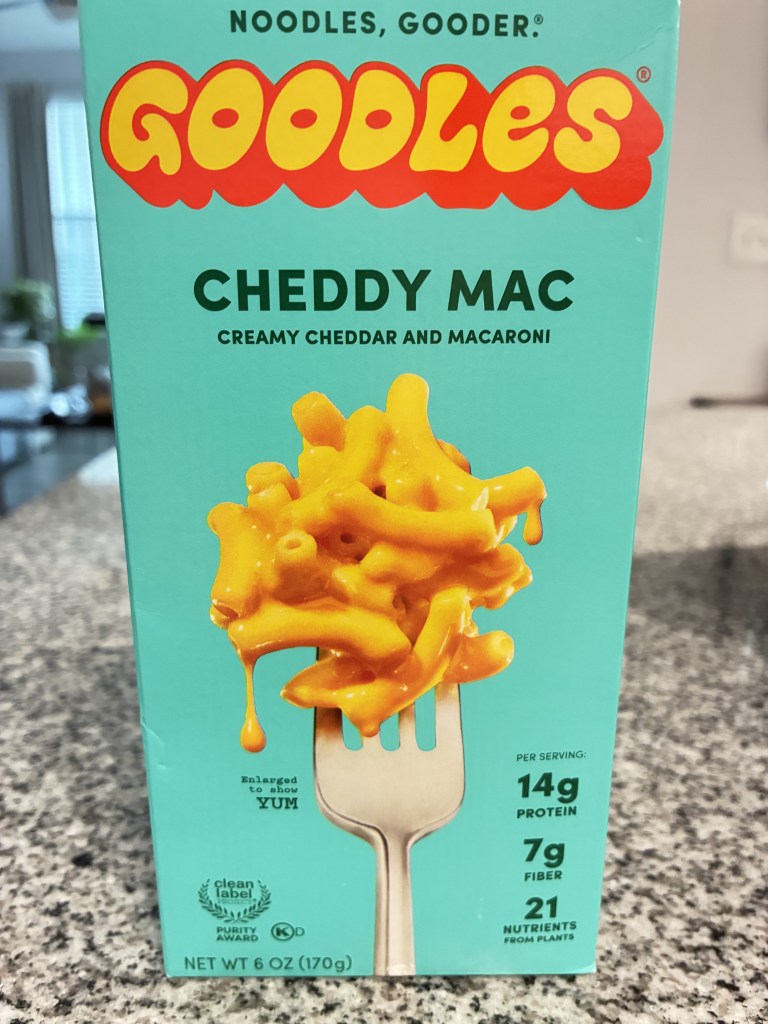
Instead of: Kraft
We buy: Goodles
Why: Goodles has 14g of protein and 6-7g of fiber per serving from chickpea protein, and is Clean Label Project certified. Kraft relies on artificial additives, preservatives, and processed cheese powder.
Frozen Fries
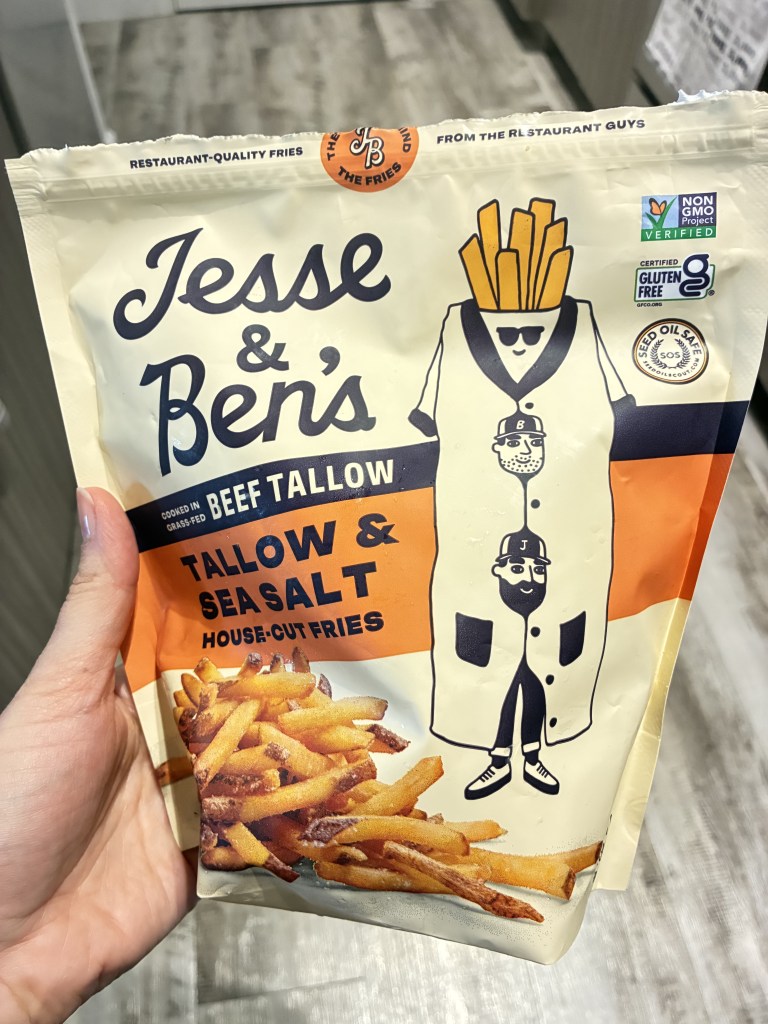
Instead of: Ore-Ida
We buy: Jesse & Ben’s
Why: Ore-Ida uses conventional vegetable/seed oils and additives, while Jesse & Ben’s uses premium animal fats or avocado oil with a minimal ingredient list.
Cheddar Crackers
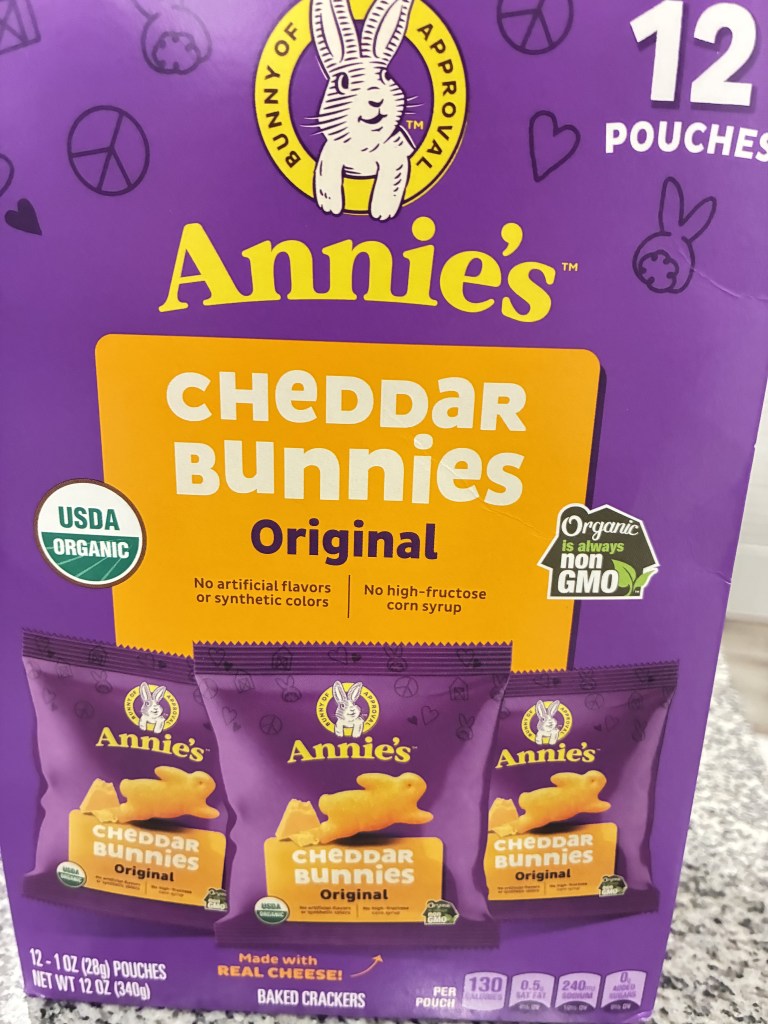
Instead of: Goldfish
We buy: Annie’s Cheddar Bunnies
Why: Annie’s is made with organic ingredients and real cheddar cheese, while Goldfish contains bioengineered ingredients and flavor enhancers.
Popcorn
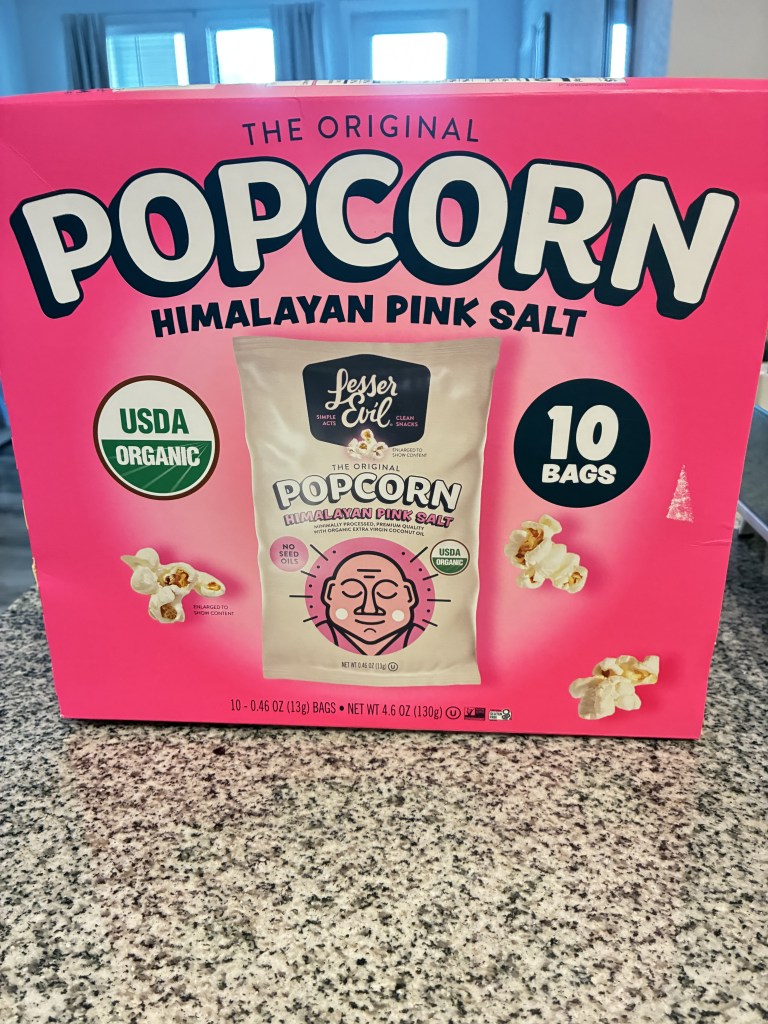
Instead of: Smartfood or microwave popcorn
We buy: LesserEvil
Why: No seed oils, organic, no artificial butter flavoring or chemicals often found in microwave bags.
Chicken Nuggets
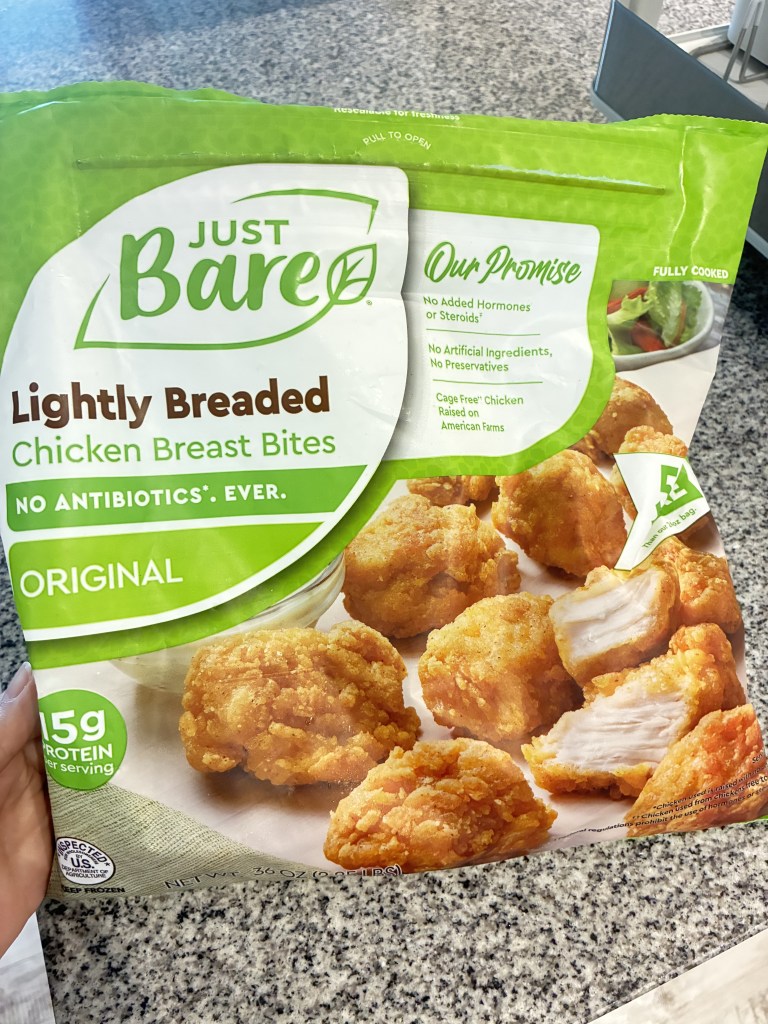
Instead of: Tyson
We buy: Just Bare (lightly breaded)
Why: Just Bare uses whole, non-reconstituted chicken breast meat with a clean, minimal label, while Tyson’s classic nuggets often use a ground or emulsified chicken mixture with more processed binders, oils, and additives.
Frozen Pizza
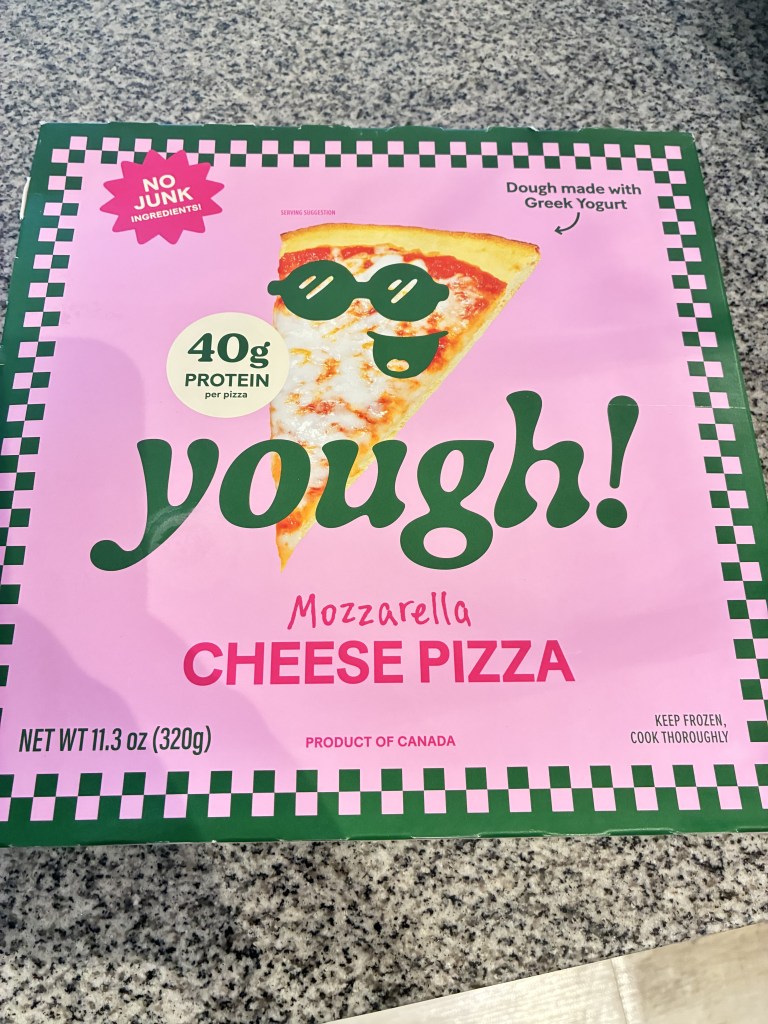
Instead of: Red Baron
We buy: Yough!
Why: Yough! focuses on a high-protein, short, clean ingredient list, while Red Baron relies on a traditional, long, highly processed, mass-manufactured formula.
Chocolate Milk
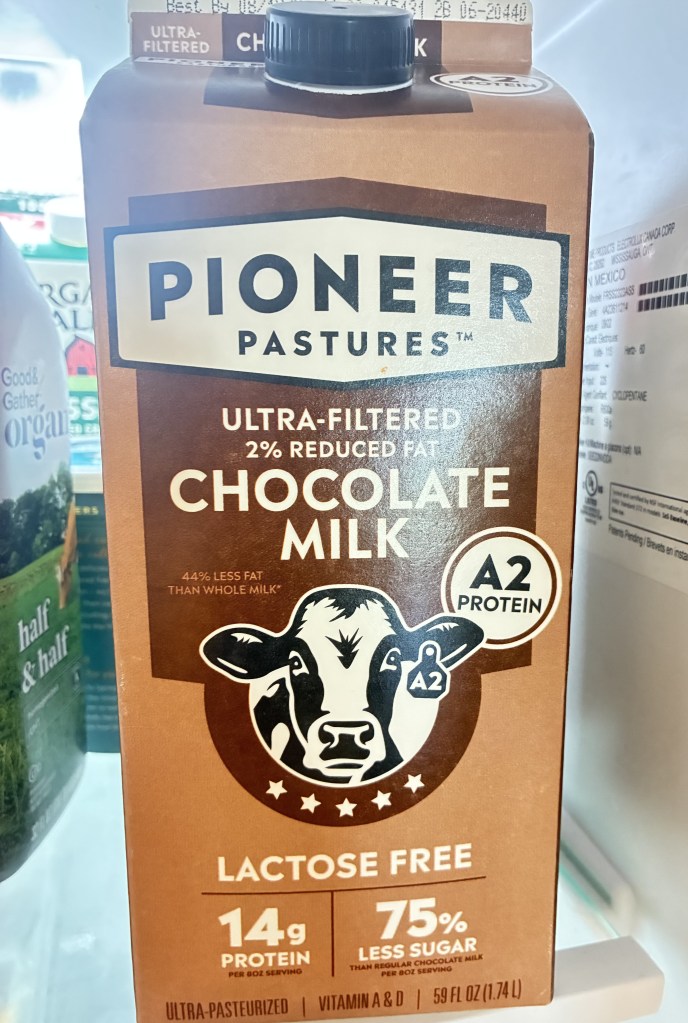
Instead of: Nesquik
We buy: Pioneer Pastures Chocolate Milk
Why: Nesquik lists sugar as its first ingredient and contains carrageenan (linked in some studies to gut inflammation) and soy lecithin (often chemically extracted or sourced from GMO soy). Pioneer Pastures uses monk fruit instead of sugar as a primary sweetener, with a shorter, cleaner ingredient list.
These seven swaps have made a real difference in our house, not because they’re perfect, but because they work for my daughter. Your list might look completely different, and that’s okay.
One Simple Step
The next time you’re grocery shopping, pick just one favorite food your child already enjoys, whether it’s nuggets, mac & cheese, or crackers and see if there’s a version with simpler ingredients. If your child likes it, celebrate that win. Small changes really do add up.

 Organic Living By Sue