For me, this journey started in the kitchen.
The kitchen is where we gather every single day. It’s where meals happen, where my family comes together, and where so many small decisions get made without even thinking about them. Once I started paying attention, I realized how much those decisions actually matter.
Yes, choosing organic costs more. I won’t pretend it doesn’t. But I stopped seeing it as spending more money and started seeing it as investing in our health. The way I look at it, what we put into our bodies every day either supports them or works against them. And when I understood that, I couldn’t just go back to how things were before.
This isn’t about being perfect. It’s about being intentional. One ingredient, one choice, one small step at a time.
My Approach to Organic
I try to buy organic as much as possible, but I stay flexible. If what I need isn’t available in organic, I buy conventional and move on. I don’t stress about it.
One thing that has helped me make better decisions is learning about the Dirty Dozen and the Clean Fifteen. These are two lists updated yearly by the Environmental Working Group (EWG) that show which fruits and vegetables tend to carry the most pesticide residue and which ones are generally safer to buy conventional. For produce on the Dirty Dozen list, I really try to go organic. For the Clean Fifteen, I’m less strict.
I also love buying local whenever I can. Sometimes it costs a little more, but to me it’s worth it. Supporting local farms means fresher food, fewer miles traveled, and keeping that connection to where our food actually comes from. There’s something that just feels right about that.
What’s in My Pantry
My pantry isn’t complicated. I focus on simple, real ingredients and try to keep things as clean as possible without overthinking it.
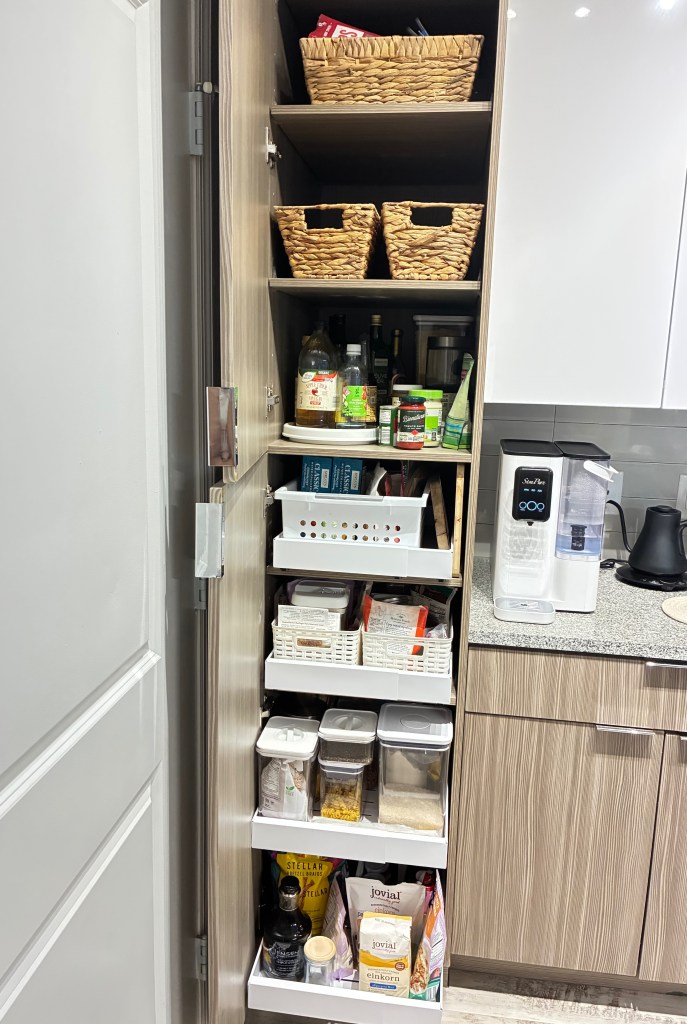
For oils, I use organic single origin olive oil and avocado oil. I stay away from seed oils completely. If you’re not familiar with why, that’s a whole topic on its own and something worth looking into.
Spices are all organic, and I use natural sea salt. My current favorite is Jacobsen salt — the quality is just different and a little goes a long way.
When it comes to pasta, I look for organic and preferably made in Italy. There’s a reason Italian pasta tastes better and it has everything to do with the quality of the ingredients and how it’s made.
For things like flour, cereal and oats, I always look for the glyphosate free seal. Glyphosate is an herbicide that has been found in many conventional grain products and it’s one of those things I don’t want in my family’s food.
For dry beans, rice, vinegar and condiments like mustard, ketchup, marinara and tomato sauce, I’m more flexible. I don’t always buy organic here. Instead I focus on reading the ingredient list and avoiding anything with artificial additives, preservatives or ingredients I can’t pronounce.
What’s in My Fridge
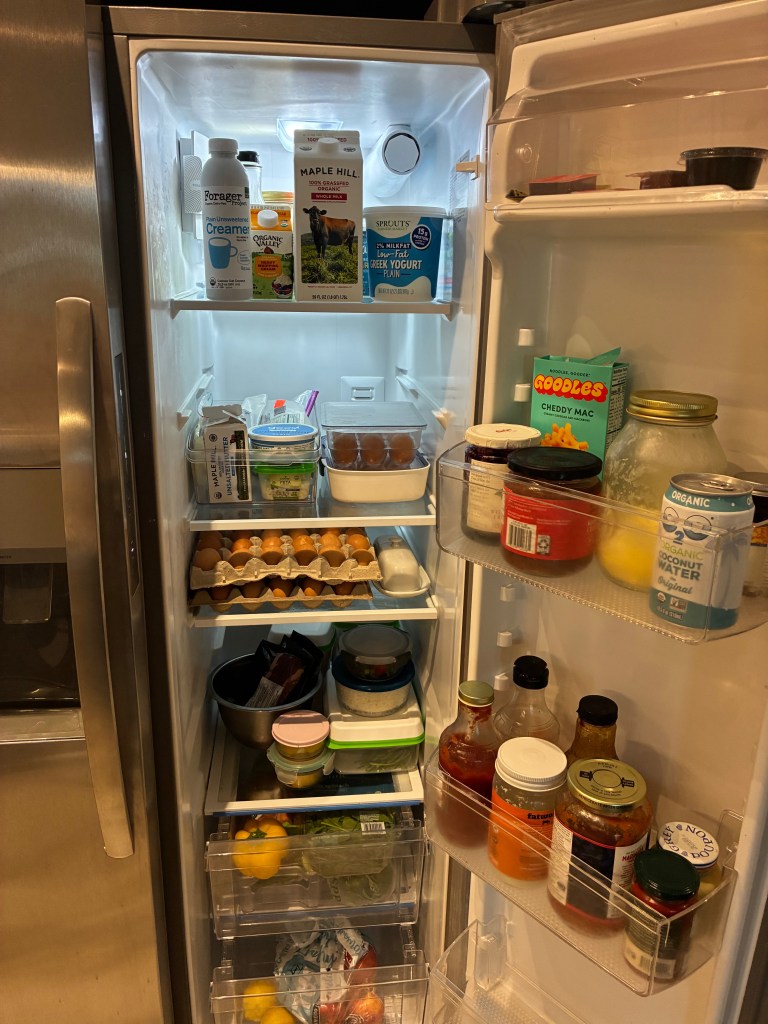
My fridge reflects the same philosophy as my pantry. Simple, real food and ingredients I actually trust.
Eggs are something we always have. I buy pasture raised eggs from a local farm and honestly once you make that switch it’s hard to go back. The difference in color and taste alone tells you something.
For protein, I’m pretty specific. Chicken must be pasture raised, beef must be grass fed, and salmon must be wild caught. These aren’t just labels to me. They represent how the animal was raised and what it was fed, and that directly affects the quality of what ends up on our plates.
Dairy is the same. Butter, milk and other dairy products are all grass fed. It matters more than most people realize.
When my family wants something sweet, I make it from scratch. Ice cream, muffins, whatever it is. That way I know exactly what’s going in it and we can enjoy it without the additives and refined sugars that come in most store bought treats.
For fruits and vegetables I follow the Dirty Dozen and Clean Fifteen guide just like I mentioned earlier.
Water is something I feel strongly about too. We use a reverse osmosis alkalinizing filter at home. What comes out of the tap isn’t something I’m comfortable with anymore once you start learning what’s actually in it.
And coffee. Our coffee has to be organic and mold free. If you’ve never heard of mold in coffee, it’s worth looking into. It made a big difference for us once we made that switch.
Where I Shop
My shopping doesn’t happen in just one place and I think that’s actually a good thing.
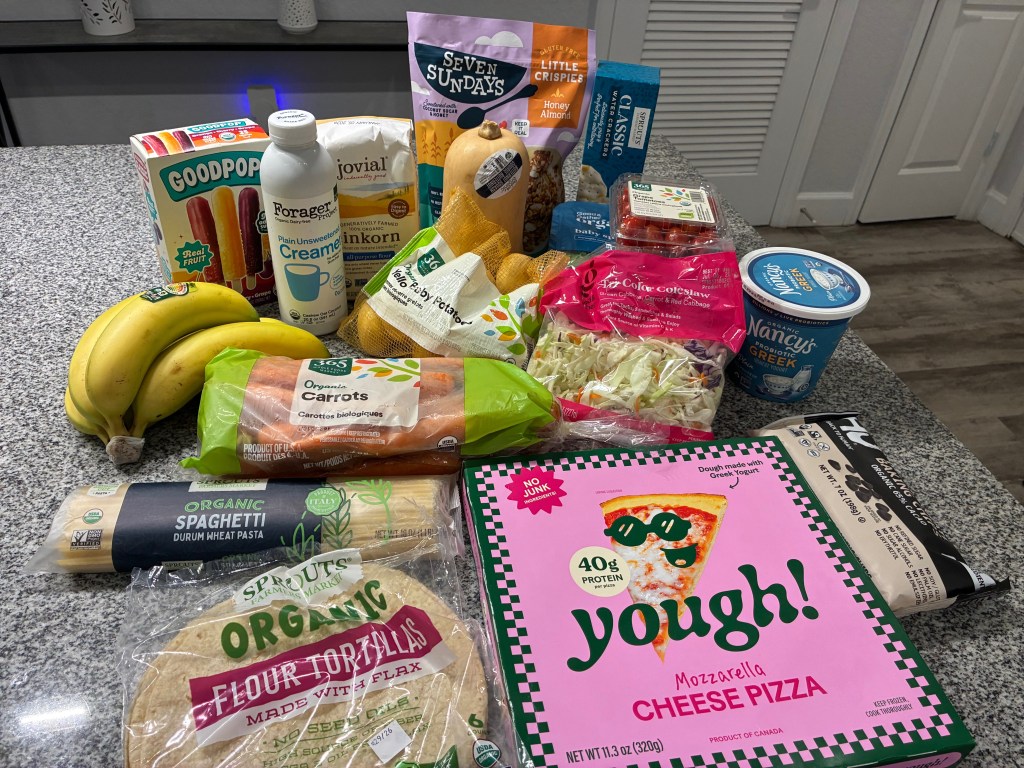
Whenever I can, I buy from local farms. There’s something about knowing where your food comes from and supporting the people who grow it that just feels right to me. But life happens and I can’t always make that trip.
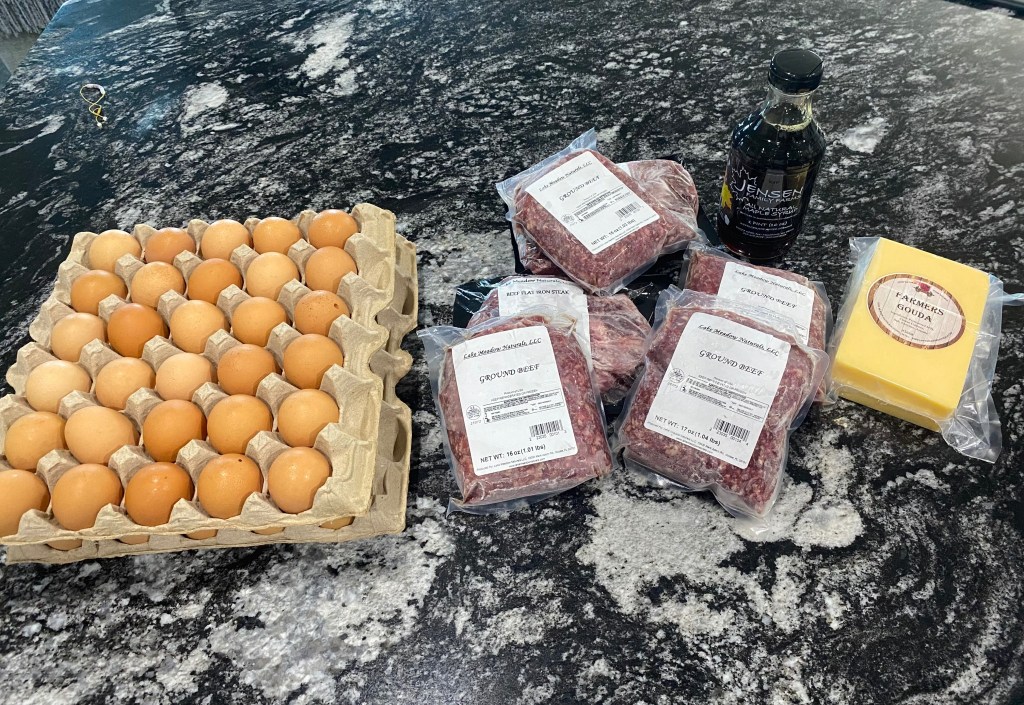
On those weeks I shop at Sprouts, Whole Foods, Aldi or Target depending on what I need and what’s available. Each store has its strengths and I’ve learned over time which ones carry the things I look for most. Sprouts and Whole Foods tend to have the best organic selection. Aldi has surprised me more than once with affordable organic options. And Target has become more consistent with cleaner products than people might expect.
I also have to mention my hispanic grocery store runs. I’m Puerto Rican and there are certain ingredients and flavors that are just part of who I am and how I cook. Some of those things you simply cannot find anywhere else. So when I’m craving a taste of home or need something specific for a recipe, that’s where I go. Clean eating doesn’t mean giving up your culture and your roots and I never want it to feel that way.
Keeping It Simple
I didn’t change my kitchen overnight. I didn’t throw everything out and start fresh all at once. I just started paying attention, and then I started making small changes one at a time.
That’s all any of this really is.
One Simple Step
You don’t have to do everything at once. Maybe this week it’s swapping your cooking oil. Maybe next month it’s replacing plastic containers with glass ones. Maybe it starts with just reading the ingredient list on something you buy every week.
Whatever it is, one small change is still a step forward. And those steps add up more than you think.


